Hijama Sunnah Therapy
 by
by 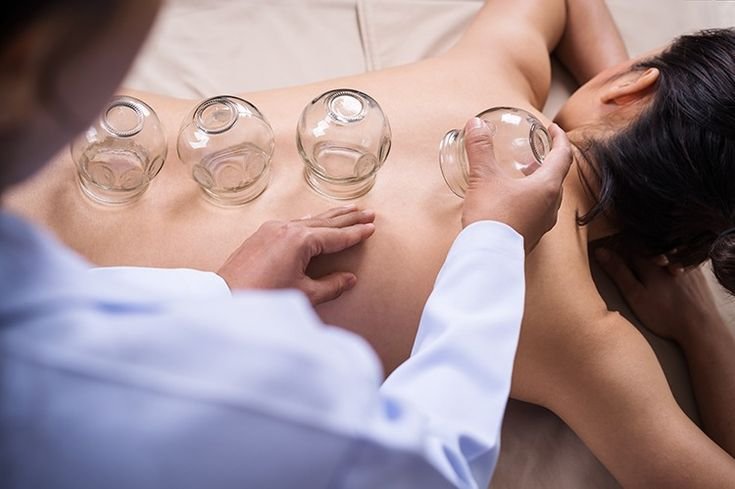
Hijama Sunnah Therapy is a powerful and time-honored healing practice rooted in Islamic tradition and Prophetic medicine. Known commonly as wet cupping therapy, Hijama has been practiced for centuries as a natural method of detoxification, pain relief, and overall wellness. Its significance goes beyond physical healing, as it is a confirmed Sunnah of Prophet Muhammad ﷺ, making it a therapy that nourishes both the body and the soul. In recent years, Hijama Sunnah Therapy has gained global attention as people seek holistic and natural alternatives to modern medical treatments.
Origins of Hijama: Meaning, Method, and Sunnah Roots
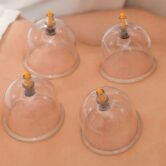
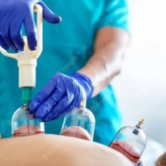
The word Hijama comes from the Arabic root “hajm,” meaning “to draw out” or “to extract.” In wet cupping (Hijama), specially designed cups are placed on specific body points to create suction, then small superficial incisions allow stagnant or “impure” blood to be removed.
Unlike dry cupping, which only uses suction, Hijama actively expels blood believed to contain toxins and metabolic waste, promoting natural detoxification and improved circulation.
In Islam, Hijama was not only recommended but personally practiced by Prophet Muhammad ﷺ. Authentic narrations report that the Prophet ﷺ described Hijama as one of the best forms of healing, making this therapy both therapeutic and spiritually significant.
The Sunnah Connection: Spiritual & Physical Healing
For Muslims, Hijama Sunnah Therapy is more than just a health intervention, it’s an act of worship aligned with the Prophet’s ﷺ guidance. Performing Hijama with the intention of following the Sunnah brings spiritual reward in addition to physical benefits.
Islamic teachings also mention ideal days for Hijama: the 17th, 19th, and 21st of the lunar month are considered especially beneficial, although Hijama can be done on other days as needed. Specific points on the body such as the upper back between the shoulders (Al-Kahil) and the neck sides (Al-Akhda’ain) were commonly used by the Prophet ﷺ and remain popular due to their systemic impact.
Health Benefits of Hijama Sunnah Therapy
Detoxification and Improved Circulation
One of the primary benefits of Hijama is its ability to support the body’s natural detox processes. By removing stagnated blood and promoting fresh circulation, Hijama enhances oxygen delivery to tissues and improves metabolic efficiency. Many people report feeling lighter, refreshed, and mentally clearer after treatment.
Pain Relief and Musculoskeletal Support
Hijama is widely used for:
- Chronic back pain
- Neck stiffness
- Shoulder tension
- Migraines and headaches
- Joint issues
The suction and release process helps relax tight muscles, reduce inflammation, and ease pressure on nerves, often delivering marked relief from persistent pain.
Immune Function & Emotional Wellness
In addition to physical benefits, Hijama can support the immune system by stimulating blood and lymph flow, helping your body respond more efficiently to stressors and infections. Many recipients also share reports of reduced stress levels, improved sleep quality, and emotional balance after sessions.
Modern Integrative Approaches
Today, many holistic health centers combine traditional Hijama with modern rehabilitation services to enhance recovery and wellness. A great example is AR Clinics: a multidisciplinary health center that offers professional cupping therapy (including Hijama) alongside advanced physiotherapy services.
At AR Clinics:
- Cupping therapy is performed with high hygiene standards, tailored for individuals seeking natural pain relief and improved circulation.
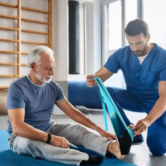
- Their team provides combined physiotherapy and cupping treatments, which can be especially effective for musculoskeletal issues, sports injuries, and chronic pain management that resonates with Hijama’s holistic aim.
- Both wet (Hijama) and dry cupping are offered using internationally‑accepted protocols for safety and effectiveness.
Integrating Hijama with skilled physiotherapy ensures a balanced approach leveraging traditional wisdom plus modern clinical expertise which can be invaluable for people with chronic conditions like fibromyalgia, back pain, and mobility issues.
Why Hijama Sunnah Therapy Continues to Thrive
Natural and Non‑Invasive
Unlike many medical procedures, Hijama does not involve drugs or invasive surgery. It works by stimulating the body’s own healing systems naturally, making it appealing for those looking for gentle but effective therapy.
Global Acceptance and Growing Interest
Interest in cupping and Hijama therapy isn’t limited to the Muslim world. Worldwide, therapists integrate cupping into pain management, sports recovery, and wellness programs and clinics like AR Clinics help bridge the traditional Muslim practice with global therapeutic standards.
Enhanced Recovery with Combined Care
Pairing Hijama with other therapies like physiotherapy, massage, or targeted rehabilitation often results in faster recovery, reduced tension, and greater overall wellness for patients seeking a comprehensive health plan.
Choosing the Right Practitioners & Safety Considerations
For maximum benefit and safety, seek practitioners who are:
- Certified and trained in both cupping/Hijama methods
- Follow strict hygiene and sanitary protocols
- Understand patient history and tailor sessions accordingly
Before any Hijama session, it’s wise to consult a healthcare professional especially if you have medical conditions or are concerned about specific health issues.
Conclusion
Hijama Sunnah Therapy is far more than an ancient tradition it is a living practice that continues to serve millions seeking natural, holistic, and spiritually aligned healing. Whether you pursue it for detox, pain relief, immune support, or overall wellness, Hijama offers a powerful pathway grounded in the Sunnah.
By combining the time‑honored wisdom of Hijama with modern, professional clinics like AR Clinics, you can enjoy an integrated therapy experience designed for measurable wellness, balanced recovery, and enhanced quality of life.